Deck pricing in the Vancouver, WA area is driven less by square footage alone and more by height, structure, and how much protection from our wet climate you want built in — a simple ground-level platform and a covered, elevated deck with an underdeck drainage system can differ enormously even at the same footprint.
This guide breaks down what actually moves a Clark County deck budget, from footings through covered-structure options. The ranges below are planning ballparks for the region, not a quote for your backyard — get a fixed-price proposal built around your actual lot and design.
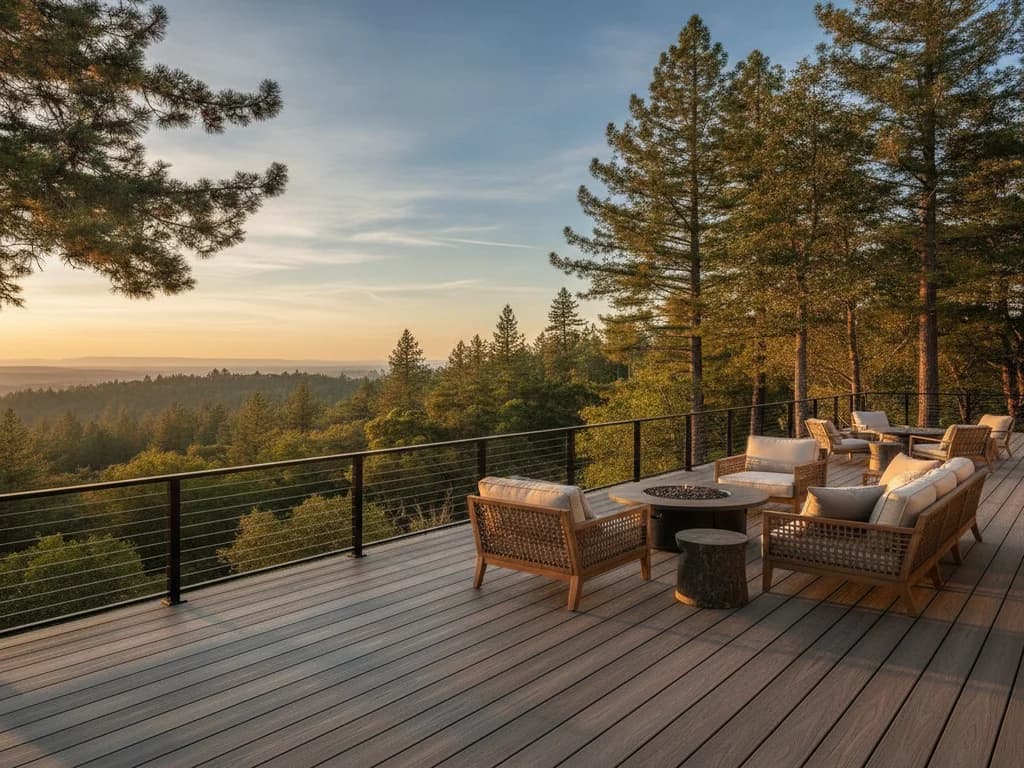
Height and structure move a deck budget more than square footage alone — a small covered deck can cost more than a much larger ground-level platform.
Small ground-level deck
Under roughly 200 square feet, low to the ground, simple railing or none required, straightforward footings.
Small ground-level decks often land in the $12,000–$25,000 range as a planning ballpark, not a quote.
Mid-size elevated deck
Raised off a sloped or walk-out lot, code-required guardrails, stairs, and standard decking material.
Mid-size elevated decks often run in the $25,000–$50,000 range as a rough planning figure.
Large or covered multi-level deck
Multiple levels, a full roof structure or pergola, and often an underdeck waterproofing system to create dry space below.
Large or covered decks commonly reach $50,000–$100,000+ depending on structure and finish.
Footing depth and design are driven by soil conditions and frost depth for the specific site, not a one-size-fits-all number — this is engineered before a single post goes in the ground.
A deck attached to the house needs a properly flashed ledger board connection, which the American Wood Council and industry data both point to as the single most common point of deck failure when done incorrectly — it's a detail worth paying for, not skipping.
Sloped or hillside lots, common across parts of Clark County, often need taller posts, additional bracing, or a stepped foundation, which adds labor and material over a flat-lot deck of the same size.
A free-standing deck (not attached to the house) avoids ledger-flashing work entirely but needs its own beam and footing system to carry the load the house structure would otherwise share.
Pressure-treated wood
The lowest material cost of the common options, with ongoing maintenance (sealing, staining) to manage moisture exposure through our wet winters.
Cedar or other natural wood
A warmer, higher-end look than pressure-treated lumber, at a higher material cost and with its own maintenance schedule.
Composite decking (Trex, TimberTech, etc.)
Higher material cost up front, with little to no annual sealing or staining required — a common trade-off homeowners weigh against long-term maintenance time.
Pushes cost up
- Cable, glass, or metal-panel railing systems instead of standard wood or composite balusters.
- Any deck surface more than roughly 30 inches above grade, which triggers guardrail requirements under the residential code.
- Built-in bench seating or planters integrated into the railing line.
- Custom stair configurations navigating a steep or irregular grade change.
Keeps cost down
- A ground-level deck low enough that guardrails aren't code-required.
- Standard baluster spacing and a single material matching the decking.
- A simple, single straight stair run rather than a switchback or wraparound.
- Keeping the deck's footprint and height within the simplest structural path for the lot.
An underdeck waterproofing system captures water draining off the deck boards above and channels it away, creating genuinely dry, usable space underneath — a popular addition on elevated decks in our climate, where covered outdoor space gets used year-round, not just in summer.
A roof structure or pergola over the deck adds its own framing, roofing, and drainage detail, and is priced closer to a home addition's roof than to a simple deck feature.
Combining a covered structure with an underdeck system creates a genuinely weatherproof outdoor room, which is why this tier of project often lands at the top of the deck cost range.
Our deck waterproofing service covers underdeck systems in more detail, including how they integrate with the house's existing drainage and gutters.
Washington charges retail sales tax on the full contract price for a deck project — labor and materials together, not materials alone. That belongs in your budget conversation from the start, not as a surprise on the final invoice.
Across the Clark County area, the combined state and local sales tax rate generally falls in the high-8% range, though the exact figure depends on the specific jurisdiction (Vancouver, unincorporated Clark County, Camas, and other cities can differ) and can change over time. Treat any percentage here as approximate and confirm the current rate on your contractor's itemized proposal.
For homeowners used to Oregon's no-sales-tax retail environment across the river in Portland, it's worth noting that this doesn't change what applies to a Washington construction contract — the tax follows where the work is performed, not where materials are purchased.
Ask any bid you're comparing whether its total already includes Washington sales tax — an apples-to-apples comparison has to account for it the same way on every proposal.
Most attached or elevated decks in the Clark County area require a building permit and inspections through the City of Vancouver, Clark County, or the relevant city department, depending on the address and the deck's height and size.
A simple, low ground-level deck sometimes needs less permitting than an elevated structure, but requirements vary by jurisdiction — we confirm what applies to your specific address before finalizing a proposal.
Composite and specialty railing materials each carry their own lead times, which can be the actual pacesetter for the project schedule more than the construction itself.
Weather windows matter for outdoor construction in our marine climate — we plan deck builds around realistic dry-weather stretches and build a written sequence into every proposal.