Every homeowner asks the cost question first, and every honest contractor gives a range, not a number, until they have actually seen the project. That is not evasiveness — it is how remodeling pricing works. Two kitchens the same size can differ enormously in cost depending on whether walls move, what the cabinetry and countertop tier is, whether plumbing and electrical get relocated, and what is found once the old finishes come off. Anyone quoting a fixed number before seeing your home, your panel, and your framing is guessing.
What we can do — and what this guide is for — is walk through the real levers that move a project's cost up or down, how resale value and return on investment actually work for remodeling (as opposed to the popular but oversimplified idea that every project 'pays for itself'), and a detail almost no national cost guide gets right for our market: in Washington, sales tax applies to both the labor and the materials on a remodeling project, not just the materials — a real difference from states that only tax materials, and one more reason a bid from an out-of-state template doesn't translate to Southwest Washington.
This page will not hand you a per-square-foot number to plug into a spreadsheet. It will help you understand your own project's cost drivers well enough to have a useful conversation with us — and get a fixed-price, line-item proposal instead of a guess.
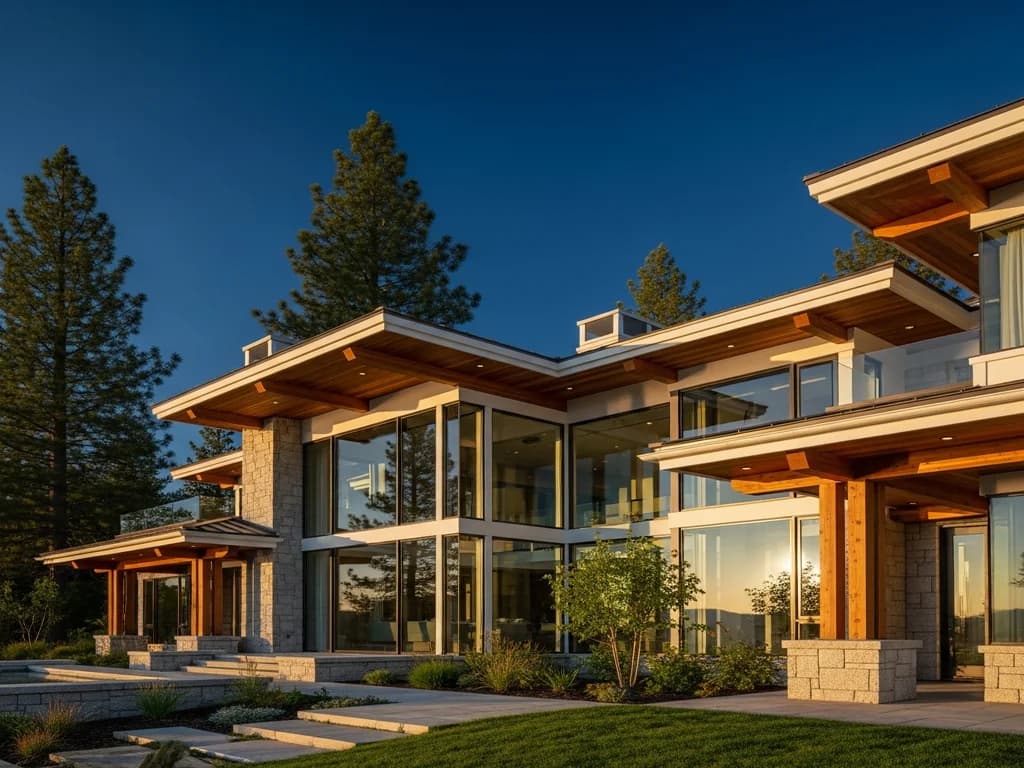
Every project type has its own cost logic. Here is what tends to drive the range for the work we do most across Vancouver, Camas, Washougal, Battle Ground, and the rest of Southwest Washington.
Kitchen remodels
The widest range of any interior project, because a kitchen's cost is driven almost entirely by scope: a cosmetic refresh (new counters, backsplash, paint, hardware) sits at one end, and a full gut-and-reconfigure that moves plumbing and electrical, relocates the range, and adds a structural opening sits at the other. Cabinetry tier and countertop material are usually the two single biggest line items after labor.
Bathroom remodels
Bathrooms pack a lot of cost per square foot because every bathroom needs waterproofing, ventilation, tile, and fixtures regardless of size. A primary suite that adds a curbless shower, custom tile, and a larger footprint costs meaningfully more than a like-for-like tub-to-shower conversion in the same room.
ADUs
The single biggest lever is whether you're converting an existing structure (a garage, for example) or building new. A conversion reuses an existing shell; a detached new-build is a complete small home with its own foundation, framing, and systems — a very different scope and cost. Site access and how far the unit sits from existing utility connections also matter a great deal on a Clark County lot.
Siding projects
Material choice (fiber cement vs. engineered wood vs. vinyl) is the obvious driver, but in our climate the bigger cost swing is usually what is found underneath old siding — rot, failed flashing, or a missing weather-resistive barrier all add scope before the new siding even goes up. A rain-screen installation with proper flashing costs more than a direct-to-sheathing re-side, and it is the difference that actually protects the house.
Decks and outdoor living
Footprint, material (pressure-treated lumber vs. composite), and whether the deck is covered all move the number. In a marine climate, ledger flashing, joist protection, and drainage detailing are not optional add-ons — they're what keeps a deck from rotting from the inside out, and skipping them to hit a lower number usually costs more in repairs later.
Whole-home remodels and additions
The most variable category, because scope can range from a cosmetic refresh across several rooms to a full addition with new foundation, framing, roofing, and systems. Whole-home projects are also where the Washington State Energy Code most often requires envelope and mechanical upgrades across the board — worth reading alongside our energy code guide.
Across every project type, a handful of variables explain most of the difference between the low end and the high end of a range.
Moving a wall, especially a load-bearing one, adds engineering, permitting, and construction cost beyond the finishes themselves. Keeping plumbing and major electrical in their existing locations is one of the most effective ways to control cost on a kitchen or bathroom remodel — every foot a drain line or gas line has to move adds cost.
A project that stays within its existing footprint and doesn't touch structural or major mechanical systems is usually a simpler permit than one that adds square footage or triggers Washington State Energy Code envelope requirements. We scope this with you at the estimate stage, not after permit review kicks something back.
A tight urban Vancouver lot with limited equipment access costs differently than a Ridgefield or Battle Ground property with room to stage materials. Existing conditions matter too — rot behind old siding, undersized electrical service, or a crawlspace with a moisture problem are the kind of finds that change scope once work starts, which is why we assess before quoting rather than after.
Cabinetry, countertops, tile, flooring, and fixtures span an enormous price range at every tier, and the gap between a builder-grade and a premium selection on the same footprint can be the largest single swing in a project's total cost. We help you understand where your budget has the most impact — usually the kitchen and bath, the two most expensive rooms per square foot in any home.
Anytime plumbing, HVAC, or an electrical panel has to move or be upsized — common on additions, whole-home remodels, and older Southwest Washington homes with undersized original service — that work adds real cost beyond the visible finish work, and it's often invisible in a quick walkthrough.
A note on honesty
We won't publish specific dollar figures on this page — costs vary too widely by scope, material tier, and site conditions to be honest about with a single number. The only number that matters for your home is the fixed-price, line-item proposal we prepare after an on-site assessment. Start with our free estimate request.
“Does this pay for itself?” is one of the most common remodeling questions, and the honest answer is that it depends on the project, the market, and the home. Industry research tracks this every year rather than guessing at it. The Remodeling Magazine Cost vs. Value report compares the average cost of common projects against the resale value they recoup, broken out by region and project type, and Harvard's Joint Center for Housing Studies tracks longer-term remodeling market and housing-improvement trends nationally. Neither publishes a single number that applies to every home, and we don't either.
What the research consistently shows, in general terms, is that moderate, well-executed updates to kitchens, bathrooms, and a home's exterior tend to hold their value at resale more reliably than highly customized, luxury-tier scopes that may not match buyer expectations in a given neighborhood. The National Association of the Remodeling Industry (NARI) publishes homeowner-facing research on this too. For resale guidance specific to your street and neighborhood, a local real estate professional is the better resource than any national average — our job is building the project well, at a real, honest price.
Here is a detail that trips up homeowners who compare bids against national cost calculators or contractors from other states: Washington charges retail sales tax on the labor portion of a remodeling or construction project, not just the materials. That is a meaningful structural difference from states that tax materials alone, and it means a Washington proposal that looks higher than an out-of-state rule of thumb may simply be pricing the work correctly.
The combined state-and-local sales tax rate varies by city and county and is revised periodically by the state. In Clark County it has generally run in the high-8-percent range, but treat that as an approximate, general reference — not a quote. Confirm the exact current combined rate for your specific address with your contractor and, if needed, directly with the State of Washington at the time you sign a contract. We itemize sales tax as its own line on every proposal so it is never buried in a lump sum.
Vancouver sits directly across the Columbia River from Portland, Oregon — a state with no state sales tax at all. That is a well-known regional fact, and it genuinely shapes shopping habits for big-ticket retail purchases in this metro area. Some homeowners ask whether they can source cabinetry, fixtures, or appliances from an Oregon retailer to sidestep Washington sales tax on materials.
We mention this only as context, not as advice or a strategy we offer — Oregon's lack of a sales tax applies to purchases made and used there, and it is a separate question from how a Washington remodeling contract is taxed. We don't provide tax advice; if the cross-border question matters to your project, a tax professional can walk through what applies to your specific purchases. What we can say plainly: NorthBank Remodel is a Southwest Washington company, and Portland and Oregon are not areas we serve — our work is Vancouver, Camas, Washougal, Battle Ground, Ridgefield, and the rest of Clark, Skamania, and Cowlitz counties.